Mental health for all by involving all
by Vikram Patel · the mental health revolution: ai-powered therapy
- mental health
- global issues
- community
- health care
The Mental Health Revolution: AI-Powered Therapy
Introduction to the Revolution
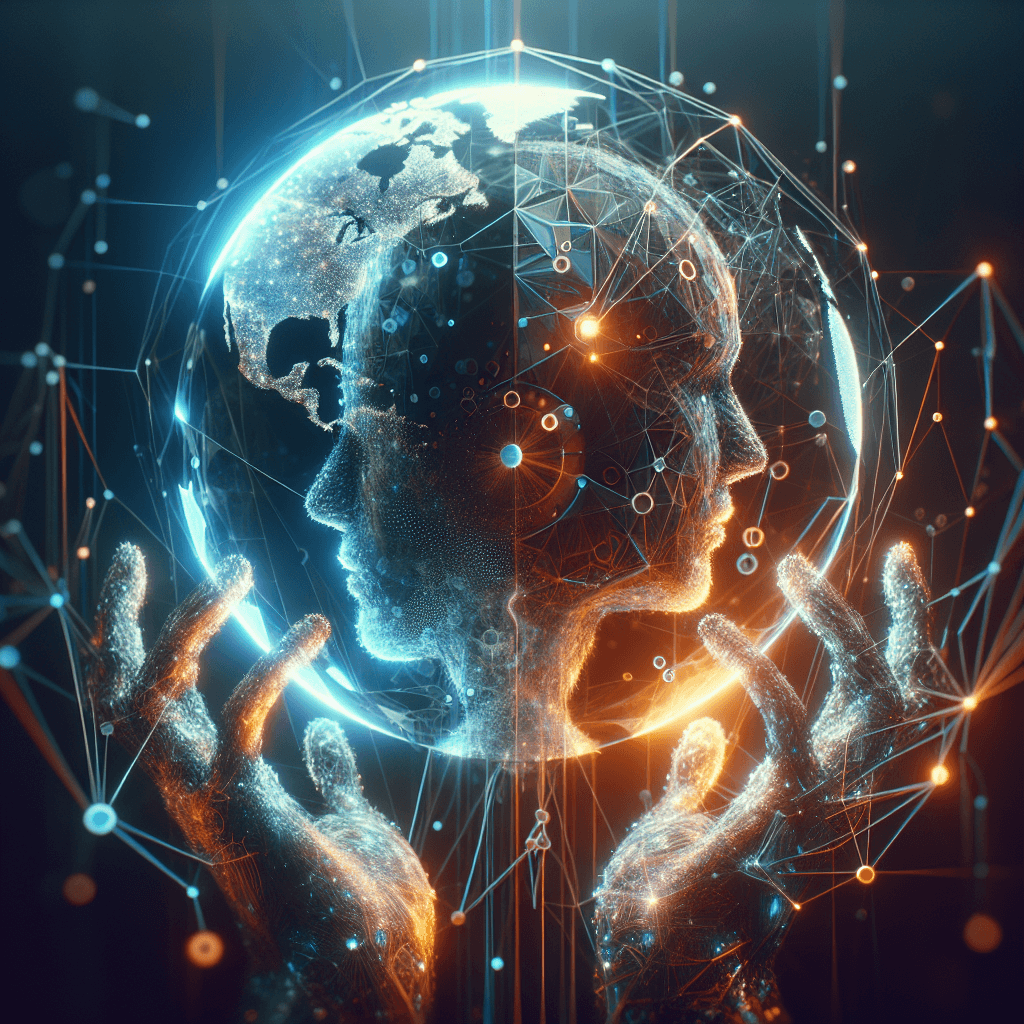
The landscape of mental health care is undergoing a profound transformation, driven by advancements in artificial intelligence. This revolution promises to make therapy more accessible, personalized, and effective. The talk title, "Mental Health for All by Involving All," encapsulates the idea that true progress comes from inclusive approaches, where technology empowers everyone—patients, therapists, communities, and even AI systems—to participate in mental wellness.
In an era where mental health issues affect billions worldwide, AI is stepping in to bridge gaps in traditional therapy. From chatbots offering immediate support to sophisticated algorithms analyzing emotional patterns, AI is democratizing access to care.
The Rise of AI in Therapy
AI-powered therapy isn't just a buzzword; it's a practical solution addressing real-world challenges. Traditional therapy often faces barriers like high costs, long wait times, and stigma. AI tools are changing this by providing scalable alternatives.
- Chatbots and Virtual Therapists: Apps like Woebot and Wysa use natural language processing to engage users in conversational therapy, offering coping strategies for anxiety and depression.
- Predictive Analytics: AI can analyze data from wearables or apps to predict mental health episodes, enabling proactive interventions.
- Personalized Treatment Plans: Machine learning tailors therapies based on individual data, improving outcomes over one-size-fits-all approaches.
These innovations are making mental health support available 24/7, especially in underserved areas where human therapists are scarce.
Involving All for Mental Health Equity
The ethos of "Mental Health for All by Involving All" emphasizes inclusivity. AI doesn't replace human connection but enhances it by involving diverse stakeholders.
Short paragraphs highlight key aspects:
Community involvement is crucial. AI platforms can crowdsource data (with privacy safeguards) to refine algorithms, ensuring they reflect diverse cultural and socioeconomic backgrounds.
Therapists play a pivotal role. By integrating AI tools, professionals can focus on complex cases while AI handles routine check-ins, expanding their reach.
Patients are empowered as active participants. User feedback loops in AI systems allow individuals to contribute to their own care and the broader ecosystem.
Benefits and Challenges
The benefits of AI-powered therapy are immense:
- Accessibility: Low-cost or free tools reach remote or low-income populations.
- Scalability: One AI can support millions, unlike limited human resources.
- Stigma Reduction: Anonymous interactions encourage seeking help without judgment.
However, challenges must be addressed:
- Ethical Concerns: Ensuring AI doesn't perpetuate biases in training data.
- Privacy Risks: Protecting sensitive mental health information.
- Efficacy Questions: AI isn't a substitute for human empathy in severe cases.
Balancing these requires collaboration among tech developers, mental health experts, and policymakers.
Future Outlook
Looking ahead, the mental health revolution will likely see AI integrated with emerging technologies like virtual reality for immersive therapy sessions or blockchain for secure data sharing.
By involving all— from innovators to end-users—we can create a future where mental health care is truly universal. This inclusive approach not only leverages AI's power but also fosters a supportive global community.
In conclusion, the AI-powered therapy revolution is about more than technology; it's about humanity. "Mental Health for All by Involving All" reminds us that collective effort is key to healing minds worldwide.