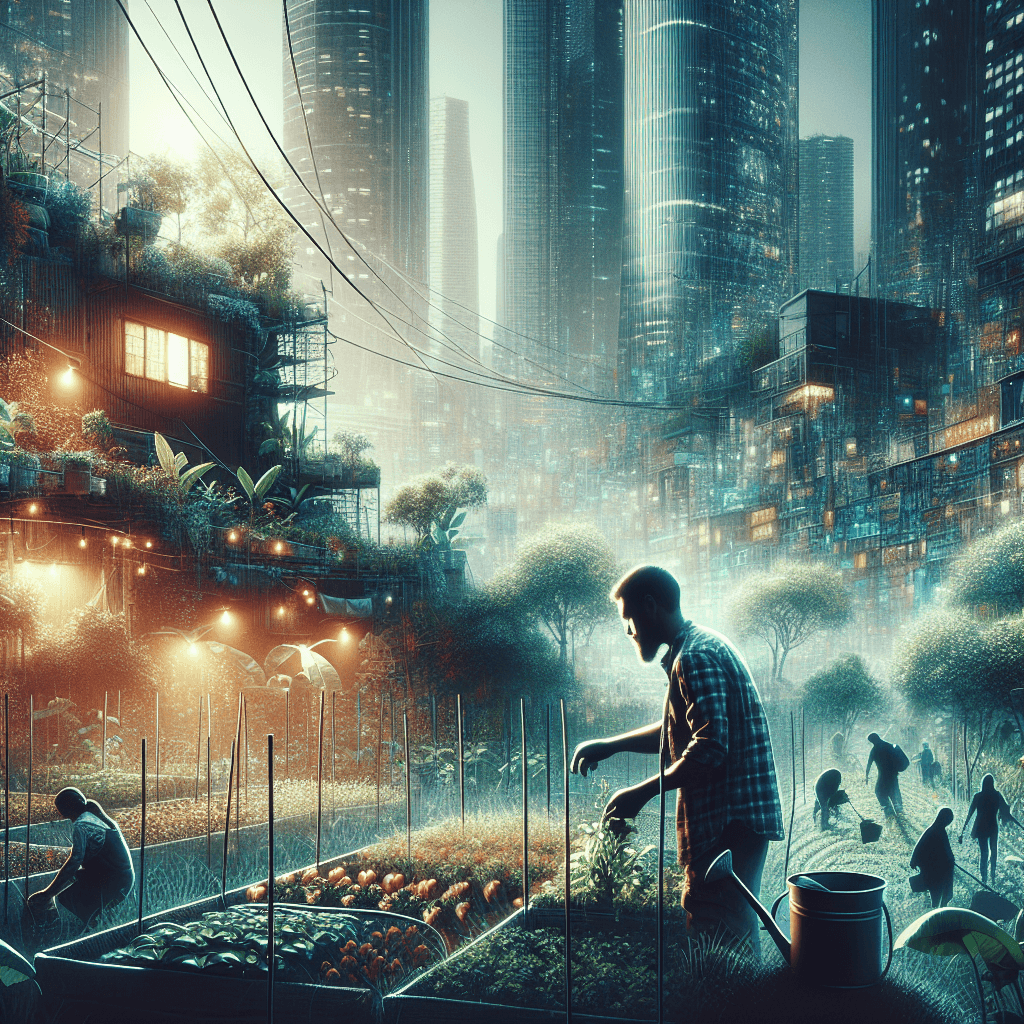
A guerilla gardener in South Central LA
by Ron Finley · sustainable living: small changes, big impact
- gardening
- urban
- food
- community
Sustainable Living: Small Changes, Big Impact
The Rise of Guerrilla Gardening in Urban Spaces
In the heart of South Central Los Angeles, a movement is taking root—literally. Guerrilla gardening, the act of cultivating plants in neglected public spaces without official permission, is transforming concrete jungles into green oases. This grassroots approach embodies the essence of sustainable living by making small, actionable changes that yield significant environmental and social benefits.
At the forefront of this movement is Ron Finley, often dubbed the "Gangsta Gardener." Finley began his journey in 2010 by planting vegetables on the parkway strip outside his home, challenging food deserts in his community where fresh produce is scarce.
Who is Ron Finley? The Guerrilla Gardener of South Central LA
Ron Finley is a fashion designer turned activist who saw gardening as a tool for rebellion against systemic issues like poor nutrition and urban decay. Living in a neighborhood plagued by drive-thrus and dialysis centers, he decided to take matters into his own hands.
- Initial Spark: Finley planted a curbside garden with tomatoes, kale, and sunflowers, turning a barren strip into a productive plot.
- Legal Battles: His efforts led to a citation from the city, but public outcry and a petition forced officials to change the law, allowing such gardens citywide.
- Broader Vision: Through his Ron Finley Project, he educates communities on growing their own food, promoting self-sufficiency and health.
Finley's story highlights how one person's defiance can spark widespread change, aligning perfectly with sustainable living principles.
What is Guerrilla Gardening?
Guerrilla gardening involves reclaiming overlooked urban areas—like vacant lots, medians, or abandoned buildings—and turning them into gardens. It's a form of environmental activism that addresses issues like biodiversity loss, air pollution, and food insecurity.
Key elements include:
- Seed Bombs: Mixtures of clay, compost, and seeds thrown into hard-to-reach spots to encourage wild growth.
- Community Involvement: Often done in groups to foster social bonds and shared responsibility.
- Sustainability Focus: Emphasizes native plants, organic methods, and water conservation to minimize environmental impact.
In South Central LA, this practice not only beautifies the area but also provides fresh, organic produce in regions lacking grocery stores.
Small Changes, Big Impact: Lessons from South Central LA
Finley's guerrilla gardening demonstrates that sustainable living doesn't require grand gestures. Small actions can lead to profound transformations.
Consider these impacts:
- Environmental Benefits: Gardens improve soil health, reduce urban heat islands, and support pollinators, contributing to biodiversity.
- Social Advantages: They create community hubs, reduce crime by activating spaces, and empower residents with gardening skills.
- Health Improvements: Access to homegrown food combats obesity and related diseases, promoting nutritious eating habits.
One curbside garden inspired a citywide policy shift, proving that individual efforts can influence larger systems. Finley's TED Talk, viewed millions of times, has globalized this message, encouraging similar initiatives worldwide.
Challenges and How to Overcome Them
Guerrilla gardening isn't without hurdles. Legal risks, vandalism, and resource scarcity can deter participants.
Strategies for success:
- Start Small: Begin with container gardens or window boxes if public spaces feel daunting.
- Build Alliances: Partner with local organizations for support and legitimacy.
- Educate and Advocate: Share knowledge through workshops to grow the movement sustainably.
Finley overcame obstacles by rallying community support, turning potential adversaries into allies.
Inspiring Action: How You Can Get Involved
Sustainable living thrives on participation. Inspired by Finley's work, anyone can contribute to guerrilla gardening or similar efforts.
- Assess Your Space: Identify neglected areas in your neighborhood and plan simple plantings.
- Choose Resilient Plants: Opt for drought-tolerant, native species to ensure longevity with minimal upkeep.
- Spread the Word: Use social media to document your progress and inspire others.
Remember, as Finley says, "Growing your own food is like printing your own money." Small changes in how we interact with our environment can lead to a healthier planet and stronger communities.
Conclusion: Planting Seeds of Change
The story of a guerrilla gardener in South Central LA reminds us that sustainable living is accessible to all. By making small changes—like planting a single seed—we can create big impacts on our world. Ron Finley's journey from a single parkway garden to a global inspiration shows the power of persistence and creativity in fostering a more sustainable future.
Let's all be gangsta gardeners in our own ways, turning urban wastelands into thriving ecosystems one plot at a time.