← Back to Digest
How can individuals and governments collaborate to implement Cohen's proposed solutions for curbing ocean plastic pollution?

Tough Truths About Plastic Pollution

Introduction

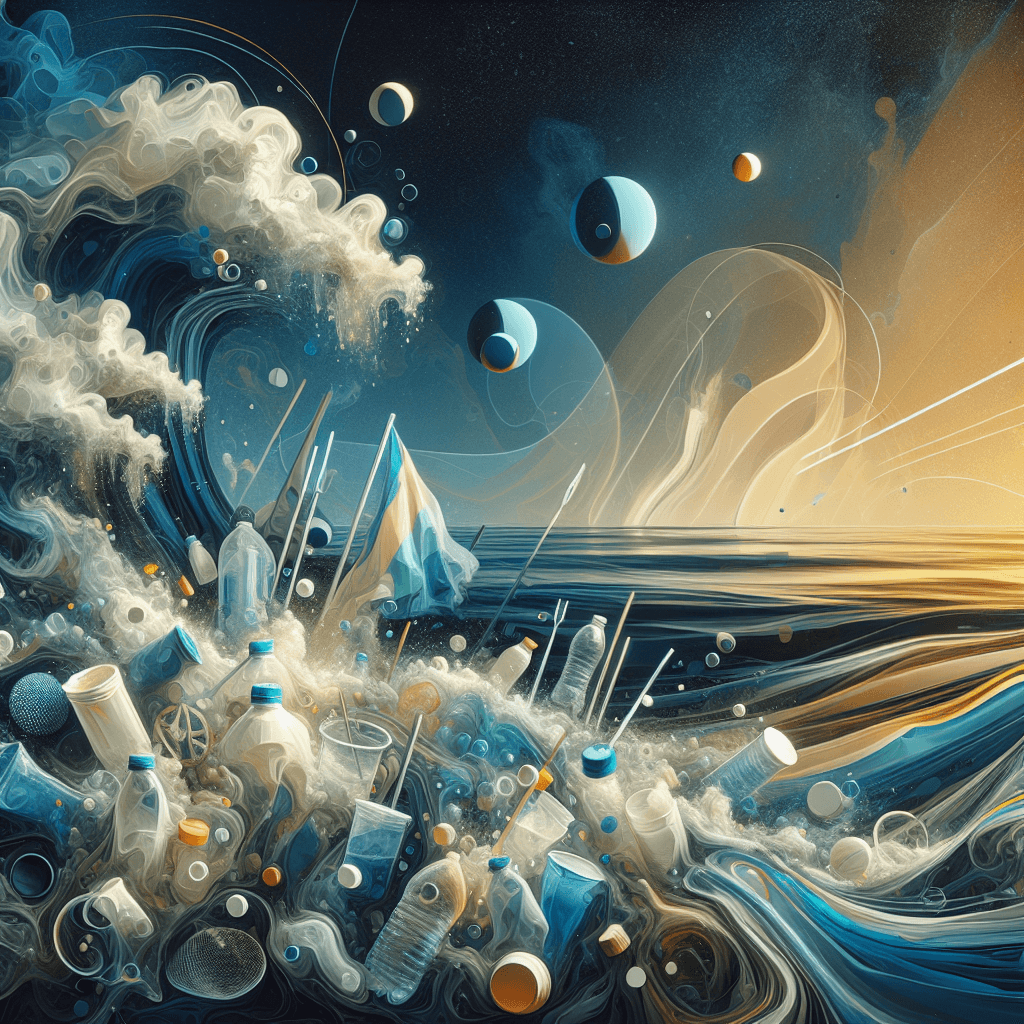
Plastic pollution has become one of the most pressing environmental issues of our time. Oceans, once teeming with life, are now choked with plastic waste, threatening marine ecosystems and human health. This essay explores the harsh realities of plastic pollution, its impacts, and potential solutions for ocean conservation. By facing these tough truths, we can drive meaningful change.

The Scale of the Problem

The sheer volume of plastic entering our oceans is staggering. Every year, millions of tons of plastic waste find their way into marine environments, originating from land-based sources like rivers and coastal cities.

  • Production Overload: Global plastic production has skyrocketed, exceeding 400 million tons annually, with only a fraction being recycled.
  • Microplastics Menace: Larger plastics break down into tiny particles that infiltrate the food chain, affecting everything from plankton to whales.
  • Longevity Issue: Plastics can persist in the environment for hundreds of years, accumulating over time.

This relentless influx creates vast garbage patches, like the Great Pacific Garbage Patch, which covers an area twice the size of Texas.

Impacts on Marine Life

Plastic pollution doesn't just litter the oceans; it devastates wildlife. Animals mistake plastic for food, leading to starvation, internal injuries, and death.

Marine species are particularly vulnerable:

  • Entanglement Risks: Fishing nets and plastic rings trap sea turtles, birds, and mammals, causing drowning or severe wounds.
  • Toxic Ingestion: Seabirds and fish consume plastic debris, which blocks digestive systems and introduces harmful chemicals.
  • Habitat Disruption: Coral reefs, vital for biodiversity, are smothered by plastic waste, exacerbating bleaching events.

These effects ripple through ecosystems, reducing biodiversity and collapsing food webs that support global fisheries.

Human Health and Economic Consequences

The tough truth is that plastic pollution circles back to harm us. Microplastics have entered the human food chain through seafood, potentially carrying toxins like BPA and phthalates.

Economically, the crisis is costly:

  • Fisheries Losses: Contaminated waters reduce fish stocks, impacting livelihoods in coastal communities.
  • Tourism Decline: Polluted beaches deter visitors, hurting local economies dependent on eco-tourism.
  • Cleanup Expenses: Governments and organizations spend billions on mitigation efforts with limited success.

Without intervention, these issues will worsen, affecting global food security and public health.

Root Causes: Consumerism and Industry Practices

At the heart of the problem lies unchecked consumerism and inadequate waste management. Single-use plastics, from bags to straws, dominate our daily lives, designed for convenience but not sustainability.

Key contributors include:

  • Corporate Responsibility Gaps: Many companies prioritize profits over eco-friendly packaging, externalizing environmental costs.
  • Inadequate Recycling Infrastructure: In many regions, especially developing countries, recycling systems are underdeveloped or nonexistent.
  • Policy Shortfalls: Weak regulations allow plastic waste to flow unchecked into oceans via rivers and illegal dumping.

Acknowledging these systemic failures is crucial for effective solutions.

Solutions for Ocean Conservation

Facing these truths, we must act decisively. Solutions exist, but they require global commitment and innovation.

Reduce and Reuse Initiatives

Shifting away from single-use plastics is essential:

  • Ban or tax items like plastic bags and straws to encourage alternatives.
  • Promote reusable products through education and incentives.

Advanced Recycling and Waste Management

Improving infrastructure can stem the tide:

  • Invest in efficient recycling programs and waste-to-energy technologies.
  • Implement extended producer responsibility, making companies accountable for their products' lifecycle.

Innovation and Technology

Emerging tech offers hope:

  • Develop biodegradable plastics from plant-based materials.
  • Use drones and AI for monitoring and cleaning ocean garbage patches.

Policy and International Cooperation

Global action is key:

  • Strengthen treaties like the UN's plastic pollution agreement to enforce reductions.
  • Support community-led cleanups and conservation projects in vulnerable areas.

Conclusion

The tough truths about plastic pollution reveal a crisis born of human negligence, but also one we can solve through collective effort. By reducing production, enhancing recycling, and fostering innovation, we can protect our oceans for future generations. It's time to turn awareness into action—our planet's health depends on it.