How the oceans can clean themselves
by Boyan Slat · the plastic crisis: solutions for ocean conservation
- environment
- innovation
- ocean
- plastic
- pollution
How the Oceans Can Clean Themselves
Introduction
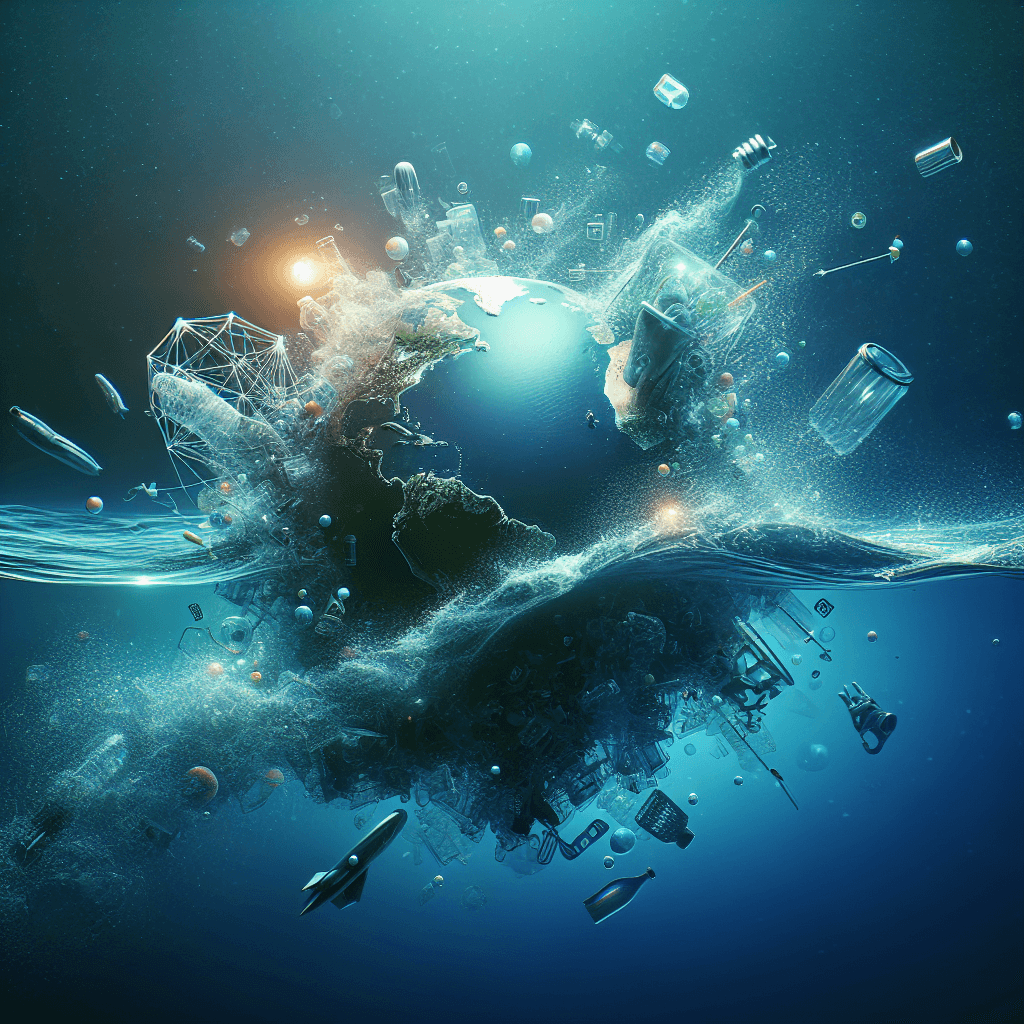
The world's oceans are facing an unprecedented crisis due to plastic pollution. Every year, millions of tons of plastic waste enter marine environments, threatening wildlife, ecosystems, and human health. This essay explores the intriguing concept of how oceans might "clean themselves" through natural processes, while emphasizing practical solutions for ocean conservation amid the plastic crisis. By understanding both nature's resilience and human responsibility, we can chart a path toward healthier seas.
The Plastic Crisis in Our Oceans
Plastic pollution has escalated dramatically since the mid-20th century. Single-use plastics like bags, bottles, and straws often end up in rivers and oceans, where they persist for centuries.
Key impacts include:
- Wildlife Harm: Marine animals ingest or become entangled in plastics, leading to injury or death.
- Ecosystem Disruption: Plastics break down into microplastics, entering the food chain and affecting biodiversity.
- Human Health Risks: Toxins from plastics can contaminate seafood, posing risks to communities reliant on marine resources.
Addressing this crisis requires recognizing that while oceans have some self-regulating abilities, they are overwhelmed by the sheer volume of waste.
Natural Self-Cleaning Mechanisms of the Ocean
Oceans possess remarkable natural processes that contribute to their self-cleaning capabilities. These mechanisms have evolved over millennia to maintain ecological balance.
- Ocean Currents and Gyres: Powerful currents like the Gulf Stream transport debris, sometimes concentrating it in gyres (e.g., the Great Pacific Garbage Patch). While this doesn't eliminate waste, it can redistribute pollutants away from sensitive areas.
- Biodegradation and Microbial Action: Certain bacteria and fungi in the ocean can break down organic matter. Recent discoveries show microbes evolving to degrade some plastics, offering a glimmer of natural remediation.
- Sedimentation and Burial: Heavier plastics sink to the ocean floor, where they may be buried under sediment layers, effectively removing them from surface circulation.
- Wave Action and Beaches: Waves can wash debris onto shores, where it might be naturally degraded by sunlight (photodegradation) or collected by coastal ecosystems.
These processes highlight the ocean's inherent resilience, but they are slow and insufficient against non-biodegradable plastics.
Limitations of Natural Cleaning
Despite these mechanisms, oceans cannot fully clean themselves from plastic pollution. Plastics are designed for durability, resisting natural breakdown.
Challenges include:
- Persistence of Microplastics: Tiny fragments evade natural filters and accumulate in the food web.
- Overwhelming Volume: With 8-14 million tons of plastic entering oceans annually, natural processes are outpaced.
- Climate Change Interactions: Warming waters and acidification may hinder microbial degradation.
Relying solely on nature is unrealistic; human intervention is essential to tip the scales.
Innovative Solutions for Ocean Conservation
To support and enhance the ocean's self-cleaning abilities, we must implement proactive solutions. These blend technology, policy, and community action.
- Reducing Plastic Production: Shift to biodegradable alternatives and enforce bans on single-use plastics. Initiatives like the EU's plastic bag restrictions show promising results.
- Clean-Up Technologies: Deploy innovations such as The Ocean Cleanup's floating barriers, which harness ocean currents to collect debris efficiently.
- Waste Management Improvements: Enhance recycling infrastructure in coastal regions to prevent waste from reaching the sea.
- Education and Policy Advocacy: Raise awareness through campaigns and support international agreements like the UN's Plastic Treaty to regulate global plastic use.
- Restoration Projects: Restore mangroves and seagrasses, which act as natural filters trapping plastics and pollutants.
By integrating these strategies, we can amplify the ocean's natural processes and foster long-term conservation.
Conclusion
The idea of oceans cleaning themselves is both inspiring and cautionary—it underscores nature's ingenuity while highlighting the limits imposed by human activity. To truly resolve the plastic crisis, we must combine respect for natural mechanisms with bold, innovative solutions. Collective action today can ensure cleaner, more resilient oceans for future generations. Let's commit to being stewards of the sea.