Greening the ghetto
by Majora Carter · urban greening: building resilient cities against climate change
- environment
- urban planning
- equality
- activism
Greening the Ghetto: Urban Greening for Resilient Cities
Introduction
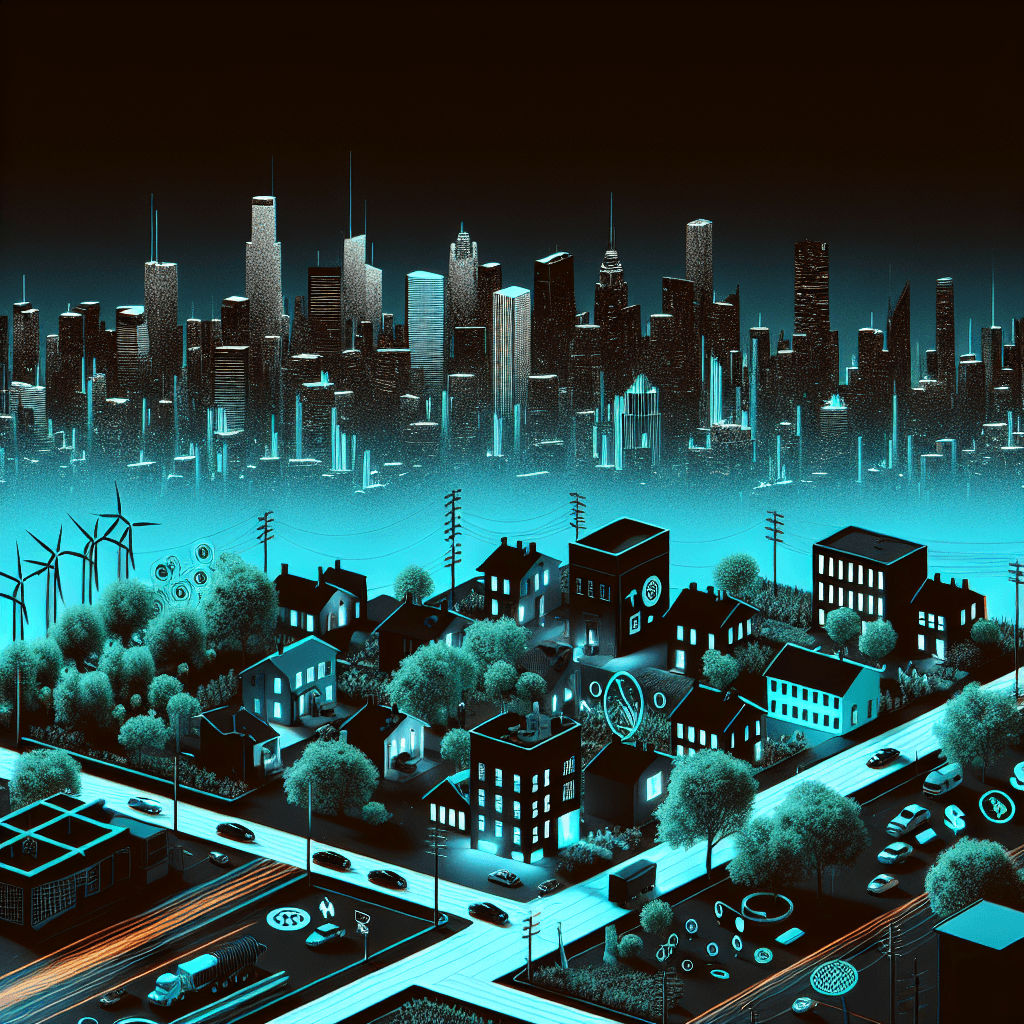
In the face of escalating climate change, urban greening has emerged as a vital strategy for building resilient cities. The talk title "Greening the Ghetto" highlights the transformative potential of introducing green spaces and sustainable practices into underserved urban neighborhoods, often referred to as ghettos. This approach not only combats environmental challenges but also addresses social inequalities, fostering healthier, more equitable communities.
Urban greening involves planting trees, creating parks, and implementing green infrastructure like rooftop gardens and permeable pavements. By focusing on marginalized areas, we can mitigate the disproportionate impacts of climate change on low-income populations, such as heat islands and flooding.
The Challenges of Urban Climate Vulnerability
Cities worldwide are grappling with rising temperatures, extreme weather events, and poor air quality. In densely populated ghettos, these issues are amplified due to limited green spaces and aging infrastructure.
- Urban Heat Islands: Concrete-heavy environments trap heat, making summers unbearable and increasing energy costs for cooling.
- Flooding Risks: Impermeable surfaces lead to rapid runoff, causing floods that damage homes and infrastructure.
- Air Pollution: High traffic and industrial activity contribute to respiratory health problems, particularly affecting children and the elderly.
These vulnerabilities are exacerbated in low-income areas, where residents often lack resources to adapt.
Benefits of Greening Initiatives
Implementing urban greening in ghettos offers multifaceted benefits that enhance resilience against climate change.
Environmental Advantages
Green spaces act as natural buffers:
- Temperature Regulation: Trees provide shade and evapotranspiration, cooling urban areas by up to 5-10 degrees Fahrenheit.
- Stormwater Management: Vegetation absorbs rainfall, reducing flood risks and improving water quality.
- Biodiversity Boost: Parks and gardens support local wildlife, creating healthier ecosystems.
Social and Economic Gains
Beyond the environment, greening fosters community well-being:
- Health Improvements: Access to green areas encourages physical activity and reduces stress, leading to better mental health.
- Economic Opportunities: Community gardens can provide fresh produce and job training in urban farming.
- Social Cohesion: Shared green spaces promote interactions, building stronger neighborhood ties.
In essence, greening the ghetto empowers residents, turning neglected areas into vibrant, sustainable hubs.
Successful Case Studies
Several cities have pioneered greening projects in underserved neighborhoods, demonstrating tangible results.
- New York City's MillionTreesNYC: This initiative planted over a million trees, focusing on low-income areas to combat heat and improve air quality.
- Singapore's Garden City Movement: By integrating vertical gardens and green roofs in dense urban zones, Singapore has enhanced resilience and livability.
- Medellín, Colombia's Green Corridors: Transforming former slums with tree-lined paths reduced temperatures and crime rates, boosting community pride.
These examples show that targeted greening can yield rapid, positive changes.
Strategies for Implementation
To effectively green the ghetto, a collaborative approach is essential.
Community Involvement
Engage residents in planning and maintenance to ensure projects meet local needs and foster ownership.
Policy and Funding
Governments should prioritize funding for green infrastructure in vulnerable areas, offering incentives for private participation.
Innovative Technologies
Utilize tools like GIS mapping to identify high-need zones and monitor progress.
By combining these strategies, cities can scale up greening efforts efficiently.
Conclusion
"Greening the Ghetto" is more than a catchy title—it's a call to action for inclusive urban resilience. As climate change intensifies, investing in green spaces for all neighborhoods is crucial. This not only builds environmental defenses but also promotes social justice, creating cities that are sustainable and equitable for everyone. Let's turn our urban landscapes from gray to green, one ghetto at a time.