A roadmap for sustainable energy
by Amory Lovins · the race to net zero: innovations in renewable energy
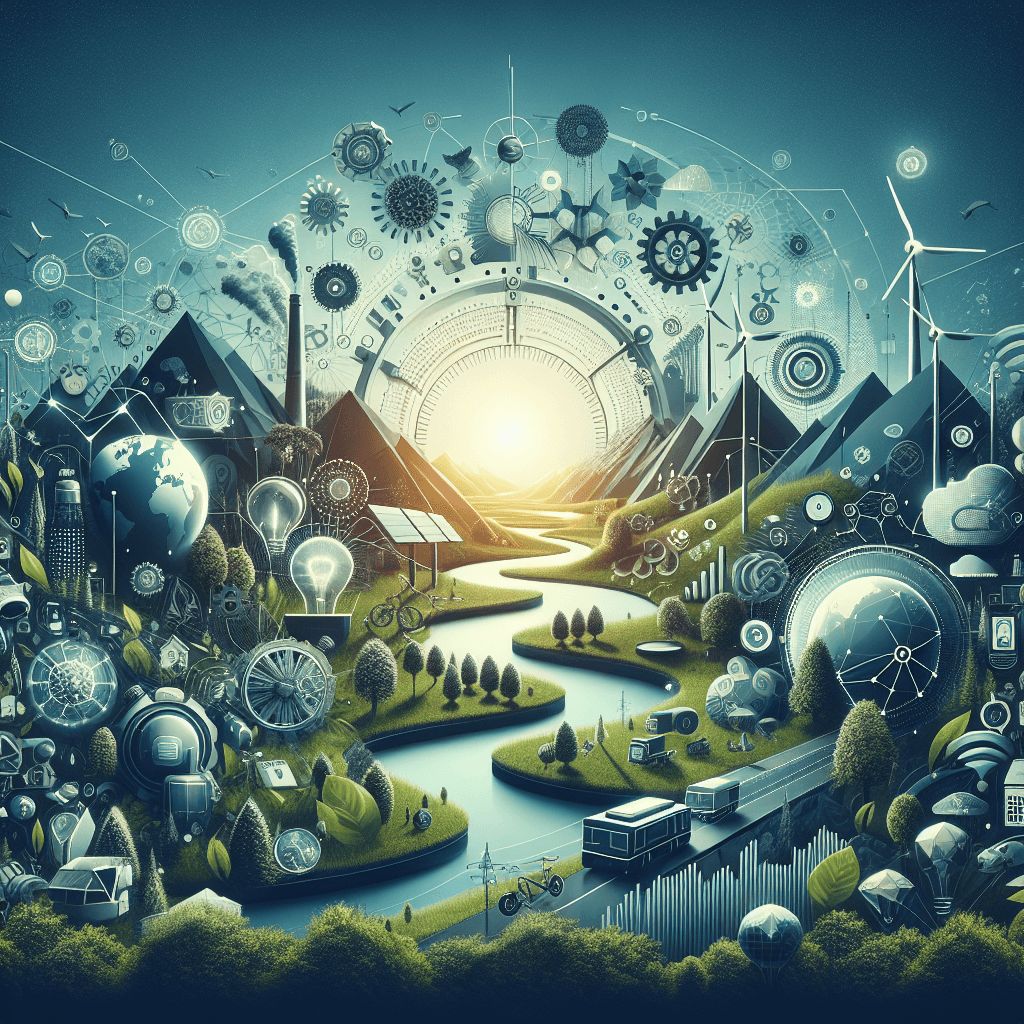
- energy
- sustainability
- environment
- innovation
A Roadmap for Sustainable Energy
Introduction
The global race to achieve net zero emissions is accelerating, driven by the urgent need to combat climate change. Net zero means balancing the amount of greenhouse gases emitted with an equivalent amount removed from the atmosphere. This essay explores innovations in renewable energy that pave the way for a sustainable future, outlining a practical roadmap for individuals, businesses, and governments.
Renewable energy sources like solar, wind, and hydro are at the forefront of this transition. As technology advances, these sources become more efficient and cost-effective, making sustainable energy not just an environmental imperative but an economic opportunity.
The Current Energy Landscape
Fossil fuels still dominate global energy production, contributing to over 75% of greenhouse gas emissions. The challenge is multifaceted:
- Environmental Impact: Rising sea levels, extreme weather, and biodiversity loss.
- Energy Security: Dependence on finite resources leads to geopolitical tensions.
- Economic Costs: Volatility in oil and gas prices affects global markets.
Achieving net zero by 2050, as targeted by many nations, requires a radical shift. Innovations in renewables offer hope, but scaling them up demands coordinated efforts.
Key Innovations in Renewable Energy
Breakthroughs in technology are transforming how we harness and store renewable energy. Here's a look at some pivotal advancements:
Solar Power Advancements
Solar energy has seen exponential growth due to falling costs and improved efficiency.
- Perovskite Solar Cells: These next-gen materials could double efficiency rates compared to traditional silicon panels.
- Floating Solar Farms: Installed on water bodies, they save land and increase efficiency through natural cooling.
- Bifacial Panels: Capture sunlight from both sides, boosting output by up to 25%.
Wind Energy Innovations
Wind power is expanding offshore and onshore with smarter designs.
- Floating Wind Turbines: Enable deep-water installations, accessing stronger winds far from shore.
- AI-Optimized Turbines: Use machine learning to predict wind patterns and adjust blades for maximum energy capture.
- Vertical-Axis Turbines: More suitable for urban environments, reducing noise and visual impact.
Emerging Technologies
Beyond solar and wind, other renewables are gaining traction:
- Geothermal Energy: Enhanced systems tap into Earth's heat more efficiently with advanced drilling techniques.
- Tidal and Wave Energy: Harness ocean movements for consistent power, with prototypes showing promise in coastal regions.
- Hydrogen Fuel Cells: Produced via electrolysis using renewables, offering clean energy for heavy transport.
Energy Storage and Grid Modernization
Renewables are intermittent, so storage is crucial for reliability.
- Battery Breakthroughs: Lithium-ion batteries are evolving, with solid-state versions promising faster charging and longer life.
- Pumped Hydro and Compressed Air: Large-scale storage solutions that store excess energy for peak demand.
- Smart Grids: AI-driven networks optimize distribution, integrate renewables, and reduce waste through real-time data.
These innovations ensure a stable supply, making renewables viable for base-load power.
Policy and Global Collaboration
Technology alone isn't enough; supportive policies are essential.
- Incentives and Subsidies: Governments offer tax credits for renewable installations, accelerating adoption.
- International Agreements: The Paris Agreement unites nations in emission reduction goals, fostering innovation sharing.
- Corporate Commitments: Companies like Google and Microsoft pledge net zero, investing in green tech.
A roadmap must include education, funding for R&D, and equitable access to ensure no one is left behind in the transition.
Challenges and Solutions
Despite progress, hurdles remain:
- High Initial Costs: Addressed through financing models like green bonds and public-private partnerships.
- Infrastructure Needs: Upgrading grids requires investment, but long-term savings outweigh costs.
- Supply Chain Issues: Diversifying sources for rare materials used in batteries and panels.
Overcoming these involves innovation, collaboration, and a commitment to sustainability.
Conclusion
The roadmap to sustainable energy is clear: embrace innovations in renewables, invest in storage and smart infrastructure, and enact supportive policies. By racing towards net zero, we not only mitigate climate change but also create jobs, enhance energy security, and build a resilient future.
Every stakeholder has a role— from adopting solar panels at home to advocating for green policies. The innovations discussed here are not just possibilities; they are the foundation of a thriving, sustainable world.