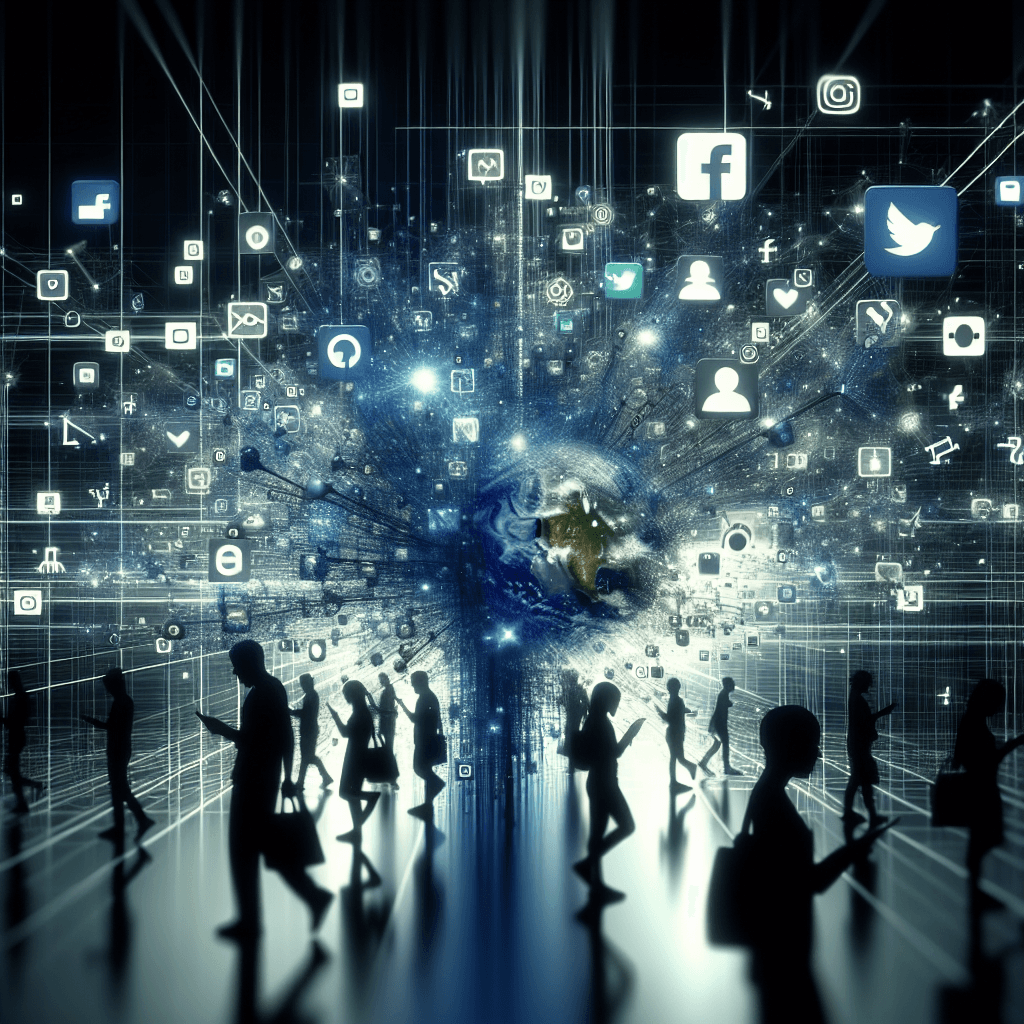
A handful of tech companies control billions of minds every day
by Tristan Harris · the impact of ai on democratic elections
- technology
- social media
- attention economy
- ethics
The Impact of AI on Democratic Elections
Introduction
In an era where a handful of tech companies control billions of minds every day, the integration of artificial intelligence (AI) into democratic processes has become a double-edged sword. Platforms like Facebook, Google, and Twitter (now X) wield immense power through algorithms that curate content, influence opinions, and shape voter behavior. This essay explores the profound impact of AI on democratic elections, highlighting both opportunities and risks, and underscores the need for vigilant oversight.
The Power of Tech Giants in Shaping Public Discourse
Tech companies dominate the digital landscape, where AI-driven algorithms decide what billions of users see daily. These systems personalize feeds, recommend content, and amplify messages, effectively controlling the flow of information.
- Algorithmic Curation: AI selects news, ads, and posts based on user data, creating echo chambers that reinforce existing beliefs.
- Global Reach: With billions of users, companies like Meta and Alphabet influence elections worldwide, from the U.S. to India.
- Mind Control Dynamics: The talk title aptly captures how subtle nudges from AI can sway public opinion without users realizing it.
This concentration of power raises concerns about undue influence on democratic outcomes.
Positive Impacts of AI on Elections
AI isn't inherently detrimental; it offers tools to enhance democratic participation and fairness.
- Voter Engagement: AI-powered chatbots and apps provide personalized information on candidates, policies, and voting logistics, increasing turnout.
- Fraud Detection: Machine learning algorithms can identify irregularities in voter registration or ballot counting, ensuring election integrity.
- Accessibility: AI translation and voice assistants make election materials available to diverse populations, including those with disabilities.
These innovations democratize access to information and streamline electoral processes.
Negative Impacts: Misinformation and Manipulation
The darker side of AI in elections involves its potential for spreading falsehoods and manipulating voters.
- Deepfakes and Disinformation: AI-generated videos and images can fabricate scandals or speeches, eroding trust in candidates.
- Targeted Propaganda: Micro-targeting uses AI to deliver tailored ads that exploit fears or biases, as seen in the Cambridge Analytica scandal.
- Bot Armies: Automated accounts amplify divisive content, polarizing electorates and influencing swing votes.
Such tactics, amplified by tech platforms, can undermine the very foundation of fair elections.
Case Studies: Real-World Examples
Historical events illustrate AI's role in elections.
- 2016 U.S. Election: Russian interference via social media bots and targeted ads highlighted AI's vulnerability to foreign manipulation.
- 2020 Global Elections: During the pandemic, AI helped combat misinformation but also spread conspiracy theories about voting by mail.
- Recent Developments: In the 2024 elections, AI deepfakes of political figures have already surfaced, prompting calls for regulation.
These cases show how tech companies' control can either safeguard or jeopardize democracy.
The Role of Regulation and Ethical AI
To mitigate risks, governments and tech firms must collaborate on safeguards.
- Policy Frameworks: Laws like the EU's AI Act aim to classify and regulate high-risk AI applications in elections.
- Transparency Measures: Requiring tech companies to disclose algorithms and data practices can build accountability.
- Ethical Guidelines: Developing AI with built-in biases checks and human oversight ensures fair use.
Balancing innovation with protection is key to preserving democratic integrity.
Conclusion
As a handful of tech companies continue to control billions of minds through AI, their impact on democratic elections cannot be overstated. While AI offers tools for greater engagement and efficiency, it also poses threats of manipulation and division. Moving forward, fostering responsible AI development and robust regulations will be essential to safeguard the democratic process. Ultimately, the power lies not just in technology, but in how society chooses to wield it.